
Hearing Aid Care: 6 Essential Tips

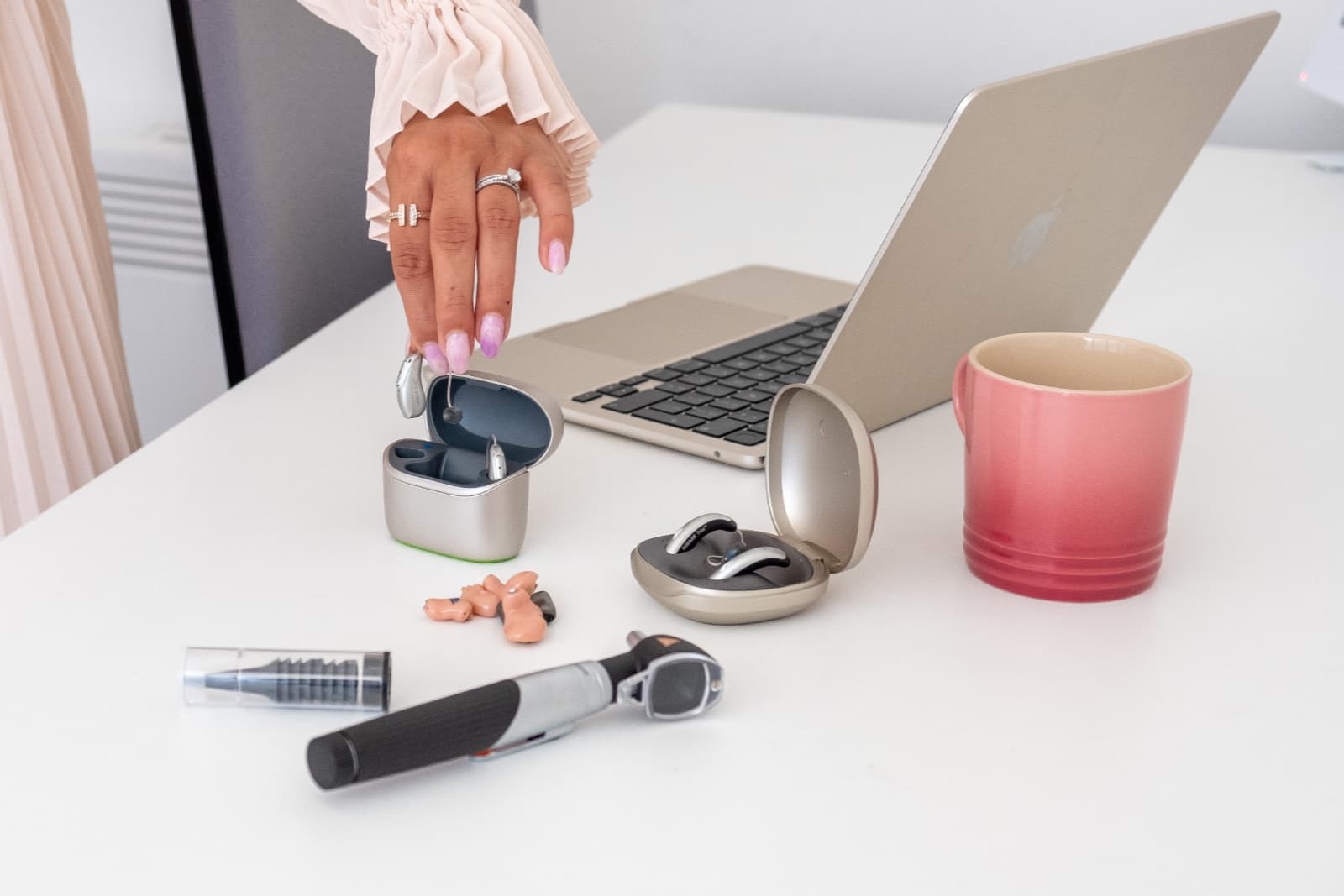
How long do hearing aids last?
This is an important question for anyone considering making an investment in hearing aids. Hearing aids are life-changing devices and, with the correct care and maintenance, you can reasonably expect your hearing aids to last five years (although, some may choose to replace their hearing aids sooner to take advantage of new technology releases). This is because hearing aids can be re-fitted to your changing hearing needs over a number of years. But, like any piece of technology, they need proper care to last and work effectively.
As an audiologist, these are the six top tips I always give my patients to ensure that they can get the best out of their new hearing aids for as long as possible.
1. Learn how to adjust your hearing aids
Take the time to familiarise yourself with how your hearing aids work. Understanding features like volume adjustment, program settings, or troubleshooting can be invaluable. Many audiologists provide hearing aid plans including training or tutorials to help hearing aid users and their family or caregivers feel confident with the new technology.
2. Avoid hearing aid repairs
Hearing aids should be professionally serviced to catch potential issues early, ideally every six months. To avoid costly repairs, you can also be proactive by checking for signs of wear, such as cracks, yellowing, weak sound, or feedback.
Hearing aid servicing with an audiologist will usually include a thorough clean and check. Your audiologist will also check your hearing and make sure that your hearing aids are working as well as they can for you, making any necessary adjustments to your device settings as your hearing changes over time.
3. Do regular hearing aid cleaning
Hearing aids are exposed to moisture, ear wax, and dirt throughout the day, which can affect their performance. To keep them functioning at their best, give them a regular clean.
Most hearing aids will come with a cleaning kit, and you can buy generic hearing aid cleaning kits online, which include most of the things you might need. However, simply wiping your hearing aids with a soft, dry cloth every evening will do the job just as well! This small daily habit can significantly extend the life of the hearing aids. It’s important that you use a dry, lint free cloth as water or cleaning products can damage the delicate hearing aid components.
If you have behind-the-ear (BTE) devices with a thin tube, your hearing aid cleaning kit will come with a cleaning wire to clear blockages, debris, and ear wax from the tube. Both BTE and receiver-in-canal (RIC) hearing aids have silicone domes on the end or, for RIC devices, a custom acrylic or silicone ear mould. You might find a bit of ear wax on the dome or ear mould when you take your hearing aid off at the end of the day. You can simply wipe this away with a clean tissue. Alternatively, it’s safe to use a wet wipe for a deeper clean with these components. The domes themselves should be changed every 3-6 months.
Most hearing aids need a change of wax filter every two weeks. The wax filter sits at the output of the hearing aid and stops any ear wax or debris getting into the main body of the hearing aid. If the wax filter becomes blocked it can make the hearing aid sound very quite or like it is not working. Changing the wax filter is very easy to do and takes just a few seconds. Your audiologist can show you how to do this for the make and model of hearing aid you have. Most cleaning kits will include wax filters and you can request more from your audiologist or order them online from providers such as Amazon (although I recommend asking your audiologist first to make sure you are getting the right ones).
Healthy, clean ears are just as important as well-maintained hearing aids. Regular ear hygiene such as weekly use of olive oil spray to reduce ear wax build-up, can prevent ear wax from blocking sound and affecting the hearing aid’s performance. In some cases, professional ear wax removal may be necessary to ensure optimal function.
With any type of hearing aid, cleaning becomes essential should you experience an ear infection. Depending on the severity of the infection, I would recommend either not wearing the hearing aid at all during this time, or disinfecting the mould/hearing aid with a clinell (detergent and disinfectant) wipe, or changing the domes every day until the infection is gone. This will prevent reintroduction of the infection as you place your hearing aids in and out of your ears.
4. Keep your hearing aids dry
When your hearing aids are not in use, proper storage is crucial to keeping them clean and fully charged. Most hearing aids charge over night in their protective case, which will also shield them from dust, moisture, and accidental damage. You should also avoid leaving your hearing aids in places with extreme moisture, heat or cold, such as bathrooms or near radiators.
If you wear BTE hearing aids with a thin tube, keep an eye out for any condensation forming on the inside of the tubing, as this can effect the sound quality. To expel this moisture out of the hearing aid, you can use an inexpensive air ball puffer, like the Oto-fresh Air Ball puffer.
If you have a completely-in-canal (CIC) or invisible-in-canal (IIC) hearing aid that sits completely in the ear, a special dehumidifier or drying chamber could be very useful, particularly if you sweat a lot. If your hearing aid is a particularly good fit and sits deep in the ear then, whenever you get any moisture or sweat in your ear, the moisture has no ventilation to dry out and will go into the hearing aid. A build up of moisture in the hearing aid can cause the hearing aid to break down.
Using a dehumidifier every few days (maybe even every night if you are in a warm climate) will keep your devices moisture free. You can get quite a few different types – some that use a fan to dry out the hearing aid, and others that use UV light, which also disinfects the hearing aids at the same time. I particularly like the Phonak PerfectDry Lux. Phonak is a trusted hearing aid manufacturer, so you can be confident that it’s safe to use. It also offers Ultra Violet (UV-C) sanitation to keep your hearing aids free from fungi and bacteria. Cheaper alternatives, such as drying tubs with silica capsules, also work well. Drying capsules can be reused for about a month and will change colour to let you know when they need changing.
Should your hearing aids accidentally get wet, the first thing to do is turn the hearing aid off and take the battery out. If you have a dehumidifier/drying kit then put it in there. If you are in a bind and don’t have one of these, then a cup of rice also works well. Most modern hearing aids are now IP68 rated, meaning that they have a high level of protection against water submersion. So, if you get caught in the rain or forget for a minute or two in the shower, you will be fine.
5. Don’t try DIY hearing aid repair
You may have seen hearing aid repair kits advertised online but, if your hearing aids require maintenance beyond basic cleaning or wax filter changes, this should always be completed by a professional.
For BTE hearing aids with a thin tube, the tube itself needs changing about every three months or so. Whenever the tube becomes stiff or yellow this is a good sign that it needs changing. Unless you are very confident and have good dexterity, I would recommend having your audiologist re-tube your hearing aids. If the tube is cut to the incorrect length, this can make the hearing aid uncomfortable wear or it won’t sit well on the ear.
Many minor repairs can be completed by your audiologist during a hearing aid servicing appointment. Where a repair is more complex, your hearing aid may need to be sent to the manufacturer for repair. Many hearing aids come with a manufacturer warranty, so, if you’ve followed my other tips, you may find that your repairs can be completed under warranty and at no additional cost to you. Your audiologist will also usually offer a replacement device to keep you hearing during any repairs.
6. Seek hearing aid help
If you’d like more help or advice, don’t hesitate to reach out to a professional audiologist.
At Dr Yovina Audiology, I offer expert, ongoing support to ensure long-term success with your new devices. Our hearing aids all come with a 5-year manufacturer warranty and I offer flexible pay-as-you-go aftercare for their entire lifespan. This approach gives you complete control, so you’re only paying for the support you actually need.
So, whether you need guidance on maintenance or help with troubleshooting, I’m here to support you every step of the way.
By Dr Yovina Khiroya-Morjaria
Dr Yovina Khiroya-Morjaria is a highly skilled and experienced audiologist and is director of Dr Yovina Audiology. Internationally trained, she holds a BSc. (Hons) in Healthcare Science Audiology from De Montfort University, a MSc. in Clinical Audiology from University of Melbourne, and a Doctorate in Audiology (AuD) from Nova Southeastern University. Learn more about Dr Yovina.