
Will a hearing aid restore normal hearing?

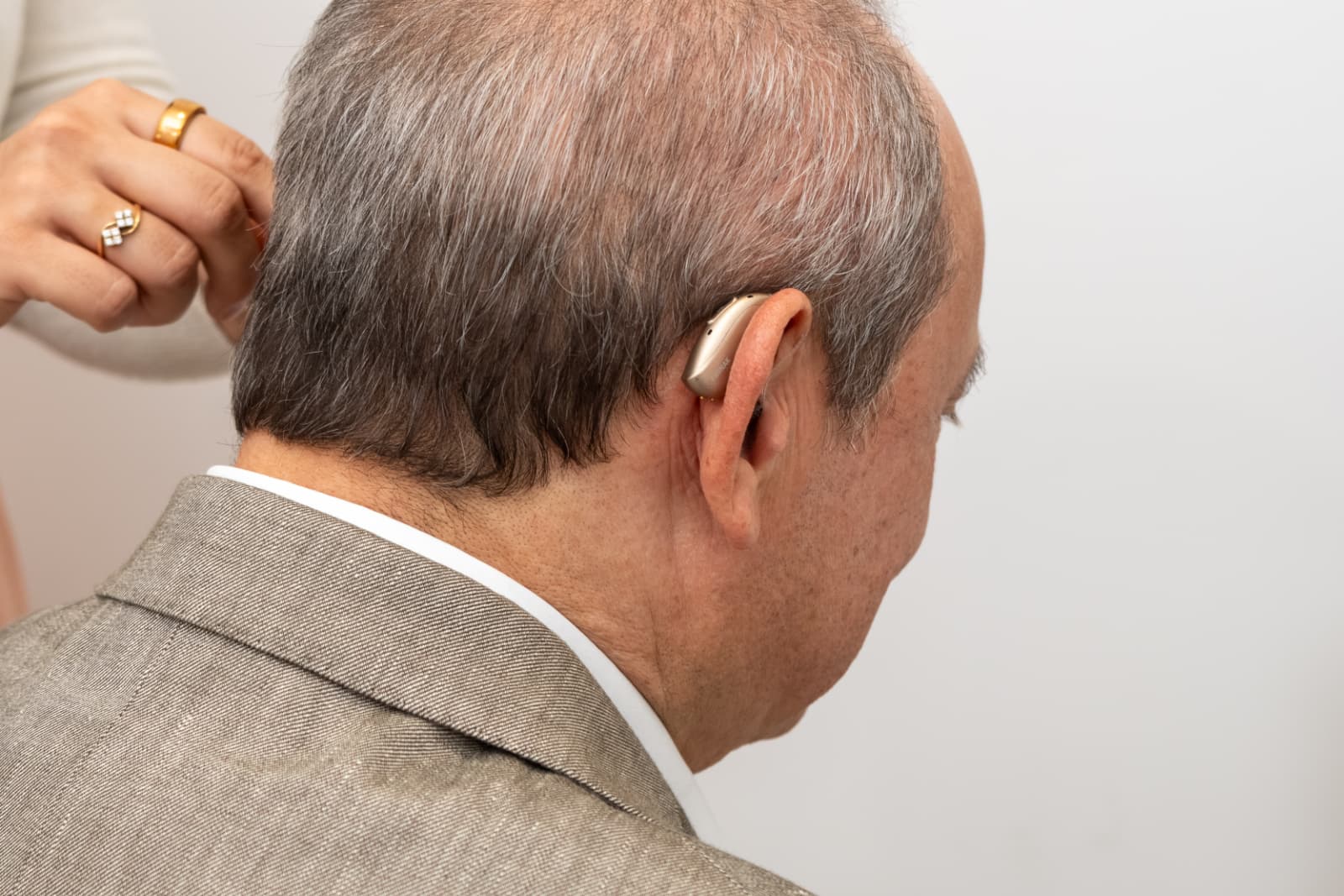
How much better will you hear with hearing aids?
One of the most common questions I’m asked is: “Will hearing aids bring my hearing back to normal?” It’s a great question—and an important one to answer honestly. The short answer? Although hearing aids won’t cure hearing loss, you will hear a lot better with hearing aids—especially if your hearing loss has made daily conversations difficult or if you’ve started withdrawing from social situations.
Hearing aids can significantly improve your ability to hear and understand the world around you. Let’s break down what that really means.
What hearing aids can’t do
Hearing aids don’t restore your hearing to how it was before hearing loss began. Just like glasses don’t cure poor eyesight, hearing aids are a tool to support your hearing—not a fix for the underlying cause.
Most hearing loss cases are sensorineural in nature, meaning they have come about from damage, or wear and tear to the hair cells within the cochlea. The cochlea is our main organ of hearing that picks up sound and sends it onto the brain. Unfortunately, when these hair cells are damaged, they cannot be repaired or regrown. Furthermore, when they become damaged, they not only make sounds quieter, but they also make the auditory system less precise. That means sounds can start to blur together, particularly speech sounds, and separating speech from background noise becomes much more difficult. This is why many people with hearing loss struggle with clarity. When we are managing this type of hearing loss, we are not fixing the underlying cause. Hearing aids can restore access to sounds that have become difficult to hear, but they cannot fully recreate the precision of a healthy auditory system.
You might not hear exactly the same as someone without hearing loss—but with the right hearing aids, you can get much closer than you might think.
What hearing aids can do
Modern hearing aids are intelligent, customisable, and discreet. They’re designed not just to make sounds louder, but to make them clearer—especially in the situations that matter most, like conversations with loved ones or meetings at work.
Hearing aids and audiologists have many systems and techniques in place to get us as close as possible to clear, normal hearing again. Hearing aids have directional microphones, noise reduction and environmental optimisers, all specially designed to help in noisy situations. It is the audiologists role to ensure that the hearing aids are tailored to an individual’s hearing and lifestyle as much as possible.
Here’s how hearing aids help:
- Speech becomes clearer – especially in quiet environments.
- You’ll catch more of the conversation – less guessing or asking people to repeat themselves.
- Background noise is reduced – advanced features help focus on the sounds you want to hear.
- You’ll feel more relaxed – less effort is needed to listen, reducing fatigue.
- You’ll hear the little things again – like birdsong, the doorbell, or the rustle of leaves.
Realistic expectations = better results!
I can see why people think that hearing aids bring back normal hearing. After all, when you put on a pair of glasses, things are normal again. However, this is where I would like to challenge the comparison of glasses with hearing aids. Glasses are typically used to correct vision loss. With hearing aids, although the hearing loss has occurred within the auditory system, a huge part of what we are working with is the brain, because it is the brain that processes and makes sense of the sound it receives. So really, I would compare hearing aids more to a prosthesis. Which sounds dramatic, however bear with me. The reason is, hearing aids must be worn all day, every day, you have to adjust and acclimatise to a new way of hearing to really get the best out of them. Then, even when things are settled, you know that although it’s not perfect again and it’s not a perfect replacement for your hearing, it really is SO much better than without.
It’s important to give yourself time to adjust to hearing aids. When you first start wearing hearing aids, everyday sounds might seem unusually sharp or overwhelming. That’s totally normal. Your brain is re-learning how to process sound again—something it hasn’t done fully in a while. Most people begin to feel the benefits within the first few weeks, especially when they wear them consistently. The key is patience and persistence, and good, professional, ongoing support from an audiologist.
Final thoughts
While hearing aids may not give you perfect hearing again, they absolutely should make things better. That’s better not only in terms of hearing, but also confidence and connection with those around you. If they aren’t, that doesn’t necessarily mean hearing aids aren’t right for you. It may mean the technology, fitting, or rehabilitation needs reviewing. That’s why choosing the right hearing aid and audiologist for you is important to get the best results possible.
Hearing aids are an investment in your quality of life. While they may not give you “perfect” hearing, they can bring back clarity, confidence, and connection.
Think of it like this:
- You’ll stop missing the punchline in group chats.
- You’ll enjoy TV and music again—without turning the volume up.
- You’ll reconnect with people and moments that matter.
And, perhaps most importantly, you’ll stop guessing what was said—and start hearing it!
If you’re considering hearing aids, know that support doesn’t end when you walk out of the clinic. Ongoing adjustments, follow-ups, and personalised care make all the difference in how well you hear—and how empowered you feel.
By Dr Yovina Khiroya-Morjaria
Dr Yovina Khiroya-Morjaria is a highly skilled and experienced audiologist and is director of Dr Yovina Audiology. Internationally trained, she holds a BSc. (Hons) in Healthcare Science Audiology from De Montfort University, a MSc. in Clinical Audiology from University of Melbourne, and a Doctorate in Audiology (AuD) from Nova Southeastern University. Learn more about Dr Yovina.